
Home Prices, Inventory & Neighborhood Trends
The second quarter of 2026 highlighted a Park City real estate market that continues to evolve while remaining fundamentally healthy. Overall sales volume increased, inventory expanded across several market segments, and buyer activity remained steady. At the same time, market conditions varied significantly depending on property type.
Single-family homes continued to perform well, condominium sales normalized following the influx of luxury inventory over the past two years, and vacant land emerged as one of the strongest segments of the market.
Perhaps the biggest takeaway isn’t that the market is slowing or accelerating—it’s that buyers have become increasingly selective. Well-maintained homes in desirable locations continue to attract strong interest, while buyers are placing a greater emphasis on thoughtful design, updated finishes, energy efficiency, and move-in-ready condition. New construction also remains in high demand, influencing buyer expectations throughout the Wasatch Back.
Below is a closer look at the latest market trends and what they may mean for buyers, sellers, and homeowners throughout Park City.
Overall Market Snapshot
During the 12 months ending June 30, 2026, total sales volume across the Park City Multiple Listing Service reached $5.73 billion, representing a 9% increase over the previous twelve months.
Market activity varied across property types:
Single-Family Homes
• Unit sales increased 6%
• Sales volume increased 12%
• Median sale price increased 6%
Single-family homes continue to demonstrate steady demand, particularly for updated properties in established neighborhoods and newer homes offering modern floor plans and energy-efficient features.
Condominiums
• Unit sales decreased 16%
• Sales volume declined 8%
• Median sale price increased 4%
Condominium activity continued to normalize following the significant number of luxury developments delivered during 2024 and 2025. While buyers now have more choices, pricing has remained resilient, reflecting continued demand for quality properties.
Vacant Land
• Unit sales increased 20%
• Sales volume increased 27%
• Median sale price increased 25%
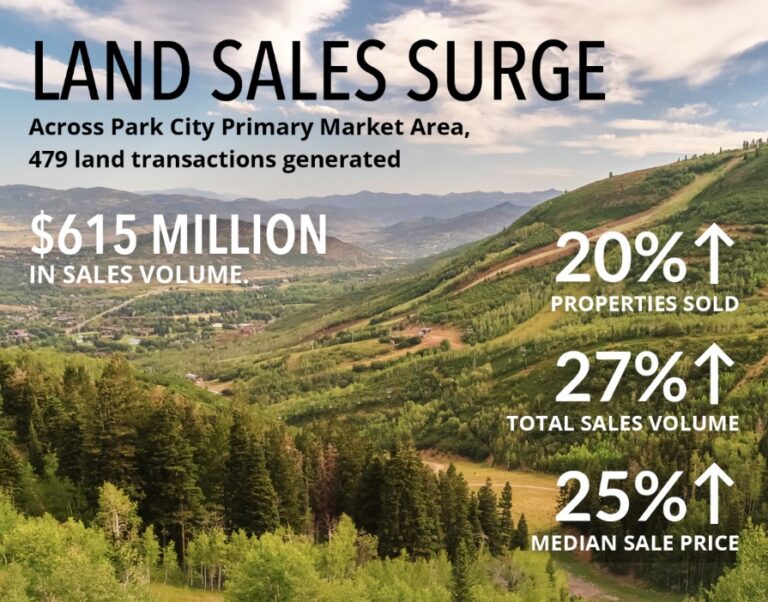
Land was the standout performer during the second quarter. Buyers continued acquiring homesites throughout the Wasatch Back, signaling long-term confidence in the area’s growth and continued demand for custom homes.
Why Land Sales Are Surging
Vacant land has traditionally represented one of Park City’s quieter market segments, but that changed dramatically during the second quarter.
Across the primary market area, 479 homesites sold, generating approximately $615 million in sales volume over the past twelve months.
Several factors appear to be driving this trend.
First, many buyers simply aren’t finding the resale home they’re looking for. As expectations continue to evolve, today’s buyers increasingly prioritize features such as open floor plans, expansive outdoor living spaces, home offices, wellness amenities, and energy-efficient construction. Rather than compromise, many are choosing to build.
Second, Park City continues to see significant investment in new communities and infrastructure. Projects such as Deer Valley® East Village, Promontory Ranches, SkyRidge, Marcella, and other luxury developments are creating attractive opportunities for buyers who want to design a home tailored to their lifestyle.
Finally, land purchases often reflect a long-term outlook. Many buyers aren’t planning to build immediately—they’re securing property today with plans to build over the next several years.
For that reason, strong land sales are often viewed as an early indicator of future construction activity rather than short-term market fluctuations.
Inventory Continues to Improve
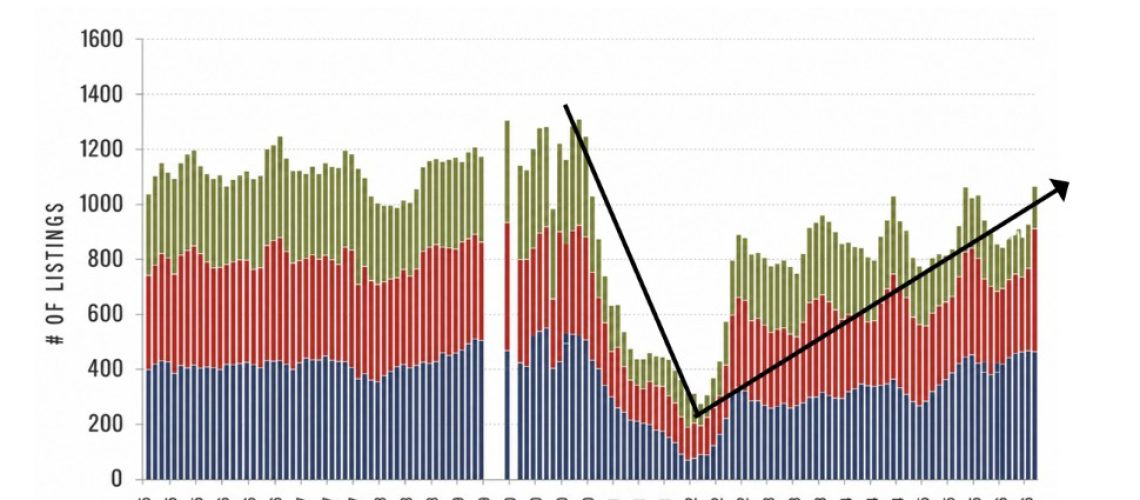
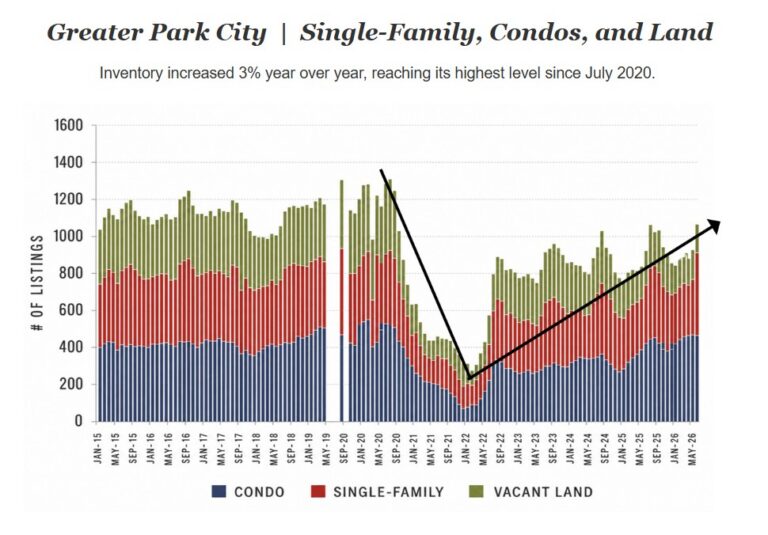
The key question is how much of this shift reflects a slower pace of sales versus changes in the amount of new inventory coming to market. With sales easing slightly and inventory rising modestly, the overall absorption rate increased to 8.7 months, the highest level recorded since the summer of 2020. In other words, the market is still moving, but at a more measured and deliberate pace than in recent years.
One of the most notable findings is the relationship between price and absorption. For the first time in more than a decade, condos priced above the median in both In Town and Snyderville sold more quickly than those priced below the median.
A larger selection of properties does not necessarily indicate a weak market. Instead, it reflects a shift toward greater balance between buyers and sellers, giving purchasers more time to compare properties while continuing to reward homes that are priced appropriately and presented well.
Today’s buyers remain active, but they are taking more time to evaluate their options—and becoming increasingly selective about where they see value.
Q2 Notable Park City Luxury Sale
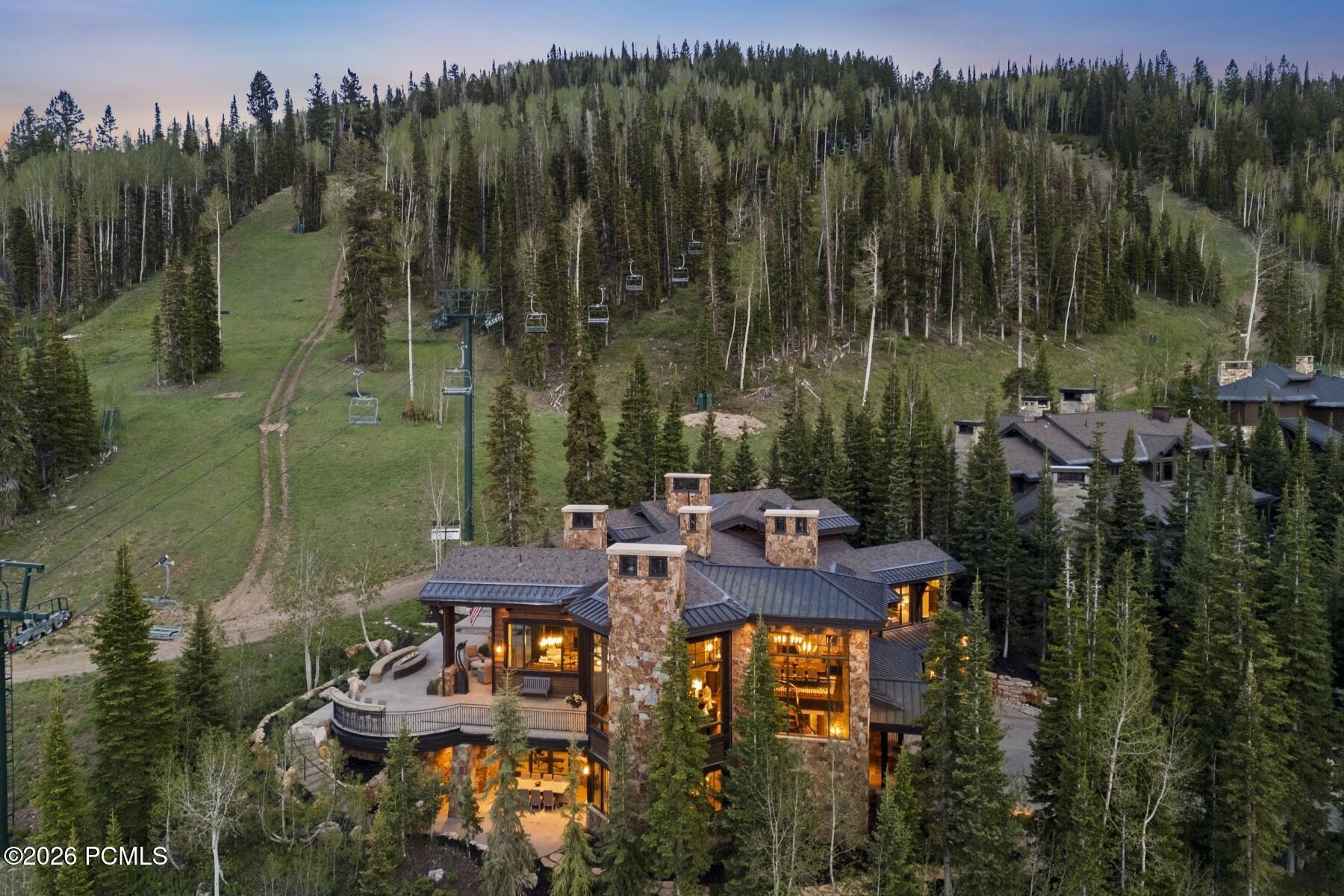
80 Silver Strike Trail | Empire Pass | $25,000,000
This six-bedroom luxury ski home sold as soon as it hit the market. Ski homes of this size in Empire Pass are extremely rare. The home features six en-suite bedrooms, multiple gathering spaces, a golf simulator, game room, sauna, wine cellar, and elevator access to all levels. A private ski room provides direct access to the Talisker Tower Club, Silver Strike chairlift, and Silver Lake Village, while heated patios and fire-lit outdoor spaces create an exceptional year-round mountain setting. Talisker Club membership is included.
Listing Courtesy of BHHS Utah Properties
Park City Real Estate Market Trends by Neighborhood
Park City Limits I Market Overview
SINGLE-FAMILY Homes
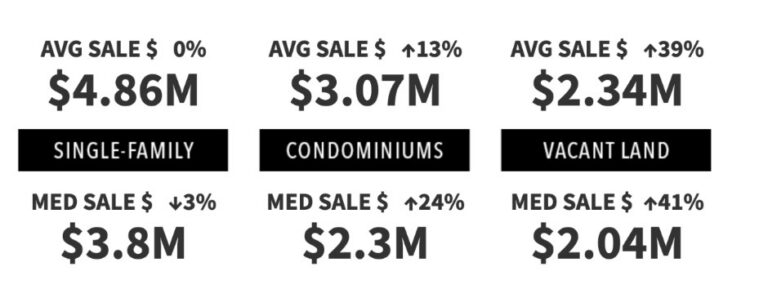
The single-family home market within Park City limits remained remarkably resilient during the 12 months ending June 2026. Sales activity increased 12%, despite a modest 3% decline in the median sale price to $3.8 million.
The decline in median price does not necessarily indicate a broader decline in property values. Park City’s luxury market is heavily influenced by the mix of homes sold during any given period, particularly at the upper end of the market.
Several neighborhoods posted notable gains:
Old Town led the way with 53 home sales, a 61% increase in transactions, while the median sale price edged up to $3.6 million.
Lower Deer Valley continued to perform well, with the median sale price rising 5% to $4.5 million.
Deer Crest remained one of Park City’s premier luxury enclaves, recording a median sale price of $13.5 million, up 12% year over year.
Upper Deer Valley also posted modest appreciation, with the median sale price increasing to $7.3 million.
Other neighborhoods experienced more moderate shifts. In Thaynes Canyon, nine homes closed at a median sale price of $4.0 million, down 13% from the prior year. Park Meadows recorded 34 closings, with the median price declining 4% to $3.6 million.
Taken together, the results point to a relatively stable single-family market, although performance continues to vary considerably by neighborhood and price point.
Condominiums
Within Park City limits, condominium sales were down 7% on 239 total closings, while the median price climbed 24% to $2.3 million. In Old Town there were 82 closings, and the median price increased 26% to $1.3 million. In Lower Deer Valley, there were 49 closings, accompanied by a 39% increase in median price to $3.1 million.
Deer Crest recorded 24 closings, with median price climbing 26% to $5.5 million. In Upper Deer Valley, there were 18 closings, with a 9% uptick in the median price to $5.2 million. Prospector had 21 closings, with the median price up 2% to $395k. Park Meadows posted 27 total sales with a median price rising 28% to $1.9 million.
Meanwhile, Empire Pass experienced a 15% decline in median price. Given the relatively small number of annual sales within this neighborhood, shifts in the mix of properties sold can significantly influence median price statistics from one year to the next.
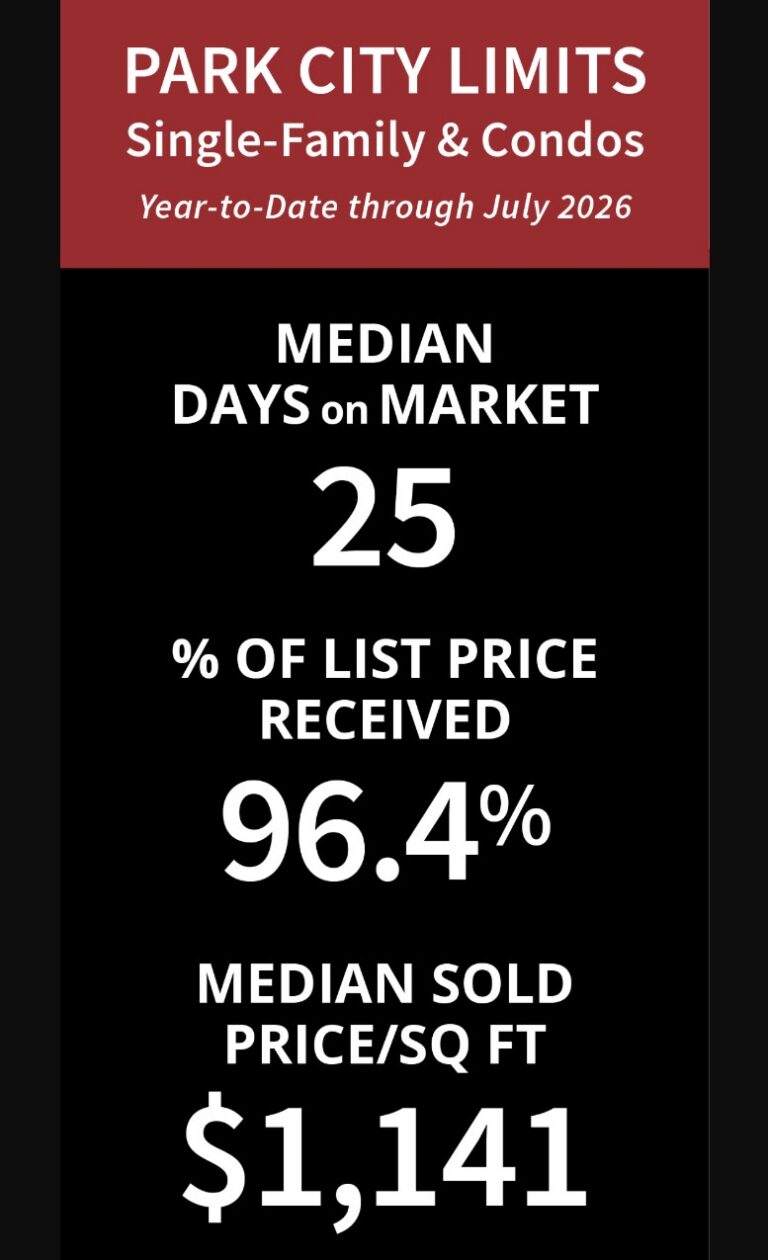
Park City Limits – Average & Median Sale Prices
2nd Quarter 2026 Year-Over-Year Rolling Averages
Neighborhood Highlights - Snyderville Basin
SINGLE-FAMILY Homes
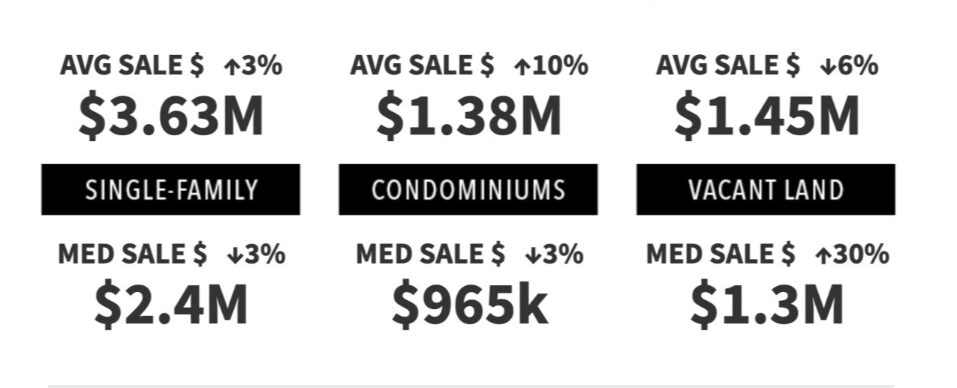
Across all of the Snyderville Basin, there was a 5% increase in closings, with 369 total sales and a 3% dip in median price to $2.4 million. In Canyons Village, there were 6 homes sold, with median price dropping 12% to $15.4 million. Sun Peak/Bear Hollow had 22 closings with a slight 1% increase in median price to $2.9 million. Silver Springs had 25 sales with a 14% rise in median price to $2.7 million, while Old Ranch Road’s median price dropped 29% to $4.9 million on 6 transactions.
Kimball Junction recorded 11 closings with a 1% dip in median price to $1.2 million. Further east, Pinebrook had 23 closings with a 9% increase in median price to $2.0 million, and Jeremy Ranch logged 42 closings with a 13% rise to $2.2 million.
Summit Park had 35 closed sales with a 3% median sale price increase to $1.3 million. Glenwild posted 19 sales, with the median price surging 36% to $7.1 million, while nearby Silver Creek Estates saw a 26% decrease to $2.0 million across 20 closings. Trailside Park recorded 23 closed sales with a 7% drop in median price to $1.6 million, and Silver Creek South had 30 sales with a 5% decrease in median price to $1.1 million. Promontory remained one of the most active neighborhoods in the Basin with 107 total closings and a robust median price increase of 22% to $5.3 million.
Condominiums
Condominium sales across the Snyderville Basin dipped 8% with 229 total closings, and the median price declined 3% to $965,000. Canyons Village had 106 closings as the median price ticked up 5% to $1.4 million. Sun Peak/Bear Hollow had 20 sales and a 5% decrease in median price to $1.1 million. Kimball recorded 44 sales with a 17% rise in median price to $752,500, while Pinebrook had 29 closings and a 2% dip in median price to $941,000. Jeremy Ranch registered 8 condominium sales at a median of $1.1 million, down 10%, and Silver Creek South had 15 closings with a 4% decrease in median price to $850,000.
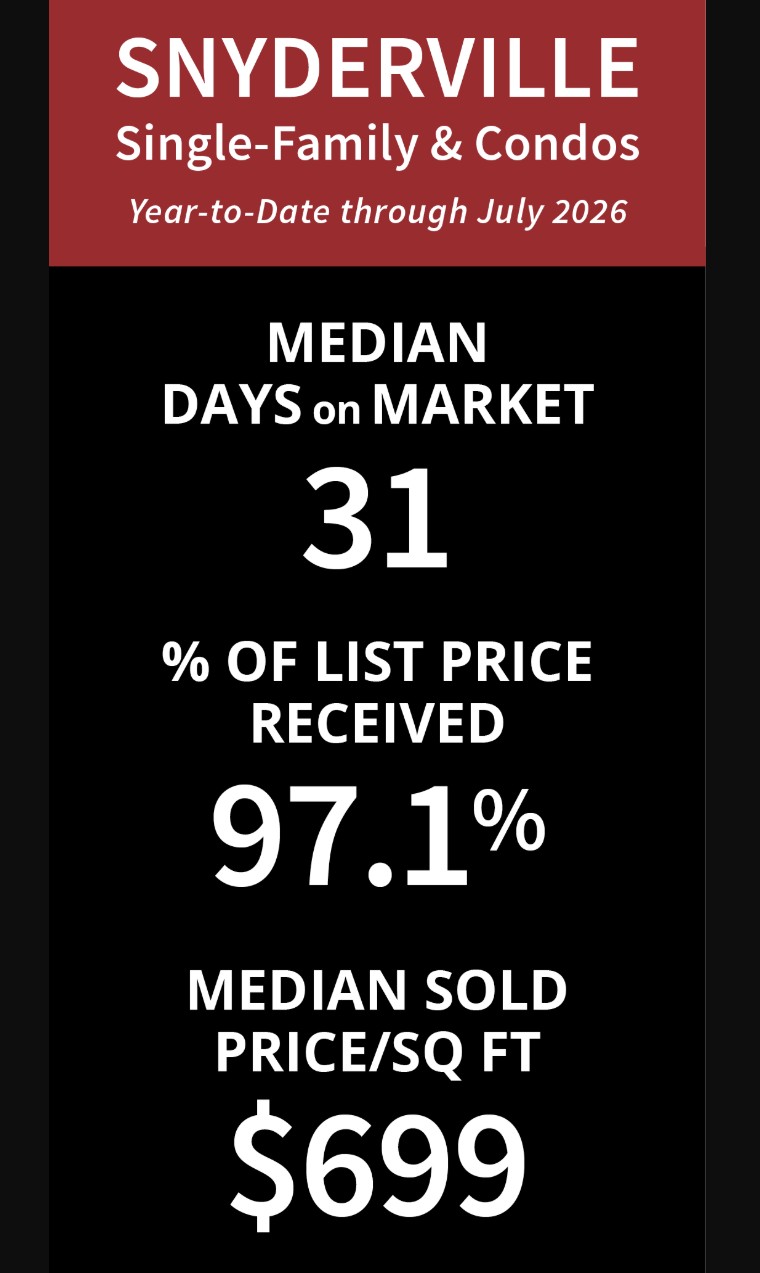
Snyderville Basin – Average & Median Sale Prices
2nd Quarter 2026 Year-Over-Year Rolling Averages
Neighborhood Highlights - Jordanelle
SINGLE-FAMILY Homes
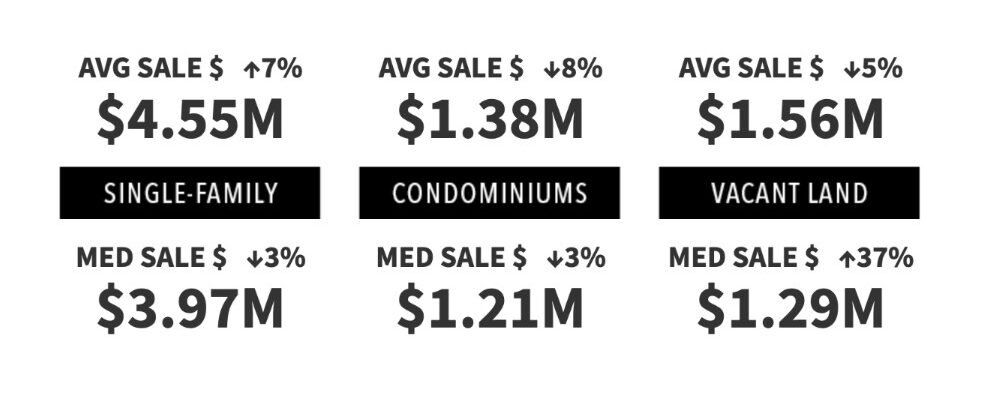
Across the greater Jordanelle area, there were 125 total closings, with the median price dipping 3% to $4 million. Mayflower-Jordanelle recorded 29 sales with the median price up 4% to $4.1 million. Tuhaye posted a 2% uptick in median price to $6 million on 28 closings, while Hideout logged 27 sales with a 5% rise in median price to $2.7 million. Deer Mountain saw 12 closings but had a 25% decline in median price to $1.8 million. Rounding out the area, South Jordanelle registered 27 sales and a 5% increase in median price to $4.4 million.
Condominiums
Across all of Jordanelle, condominium closings dropped 25% to 227 closings, with the median price dipping 3% to $1.2 million. The median price in the Mayflower–Jordanelle area rose 6% to $1.4 million on 70 total sales. Deer Mountain recorded 44 closings with a median price increase of 2% to $970,000. South Jordanelle had 17 closings with a 4% increase in median price to $1.05 million. Deer Valley East Village had 16 closings, but the median price plummeted 59% to $507,500, while Hideout posted 80 closings and a 12% increase in median price to $1.7 million.
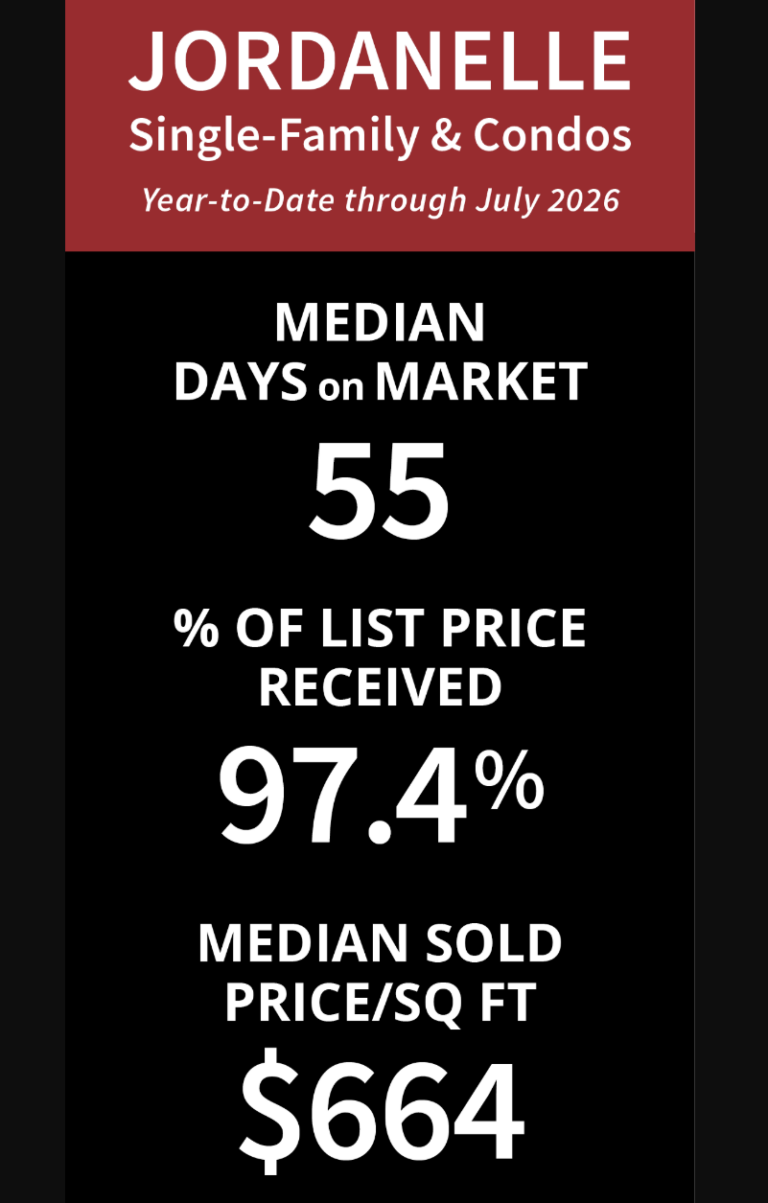
Jordanelle – Average & Median Sale Prices
2nd Quarter 2026 Year-Over-Year Rolling Averages
Heber Valley I Market Overview
SINGLE-FAMILY Homes
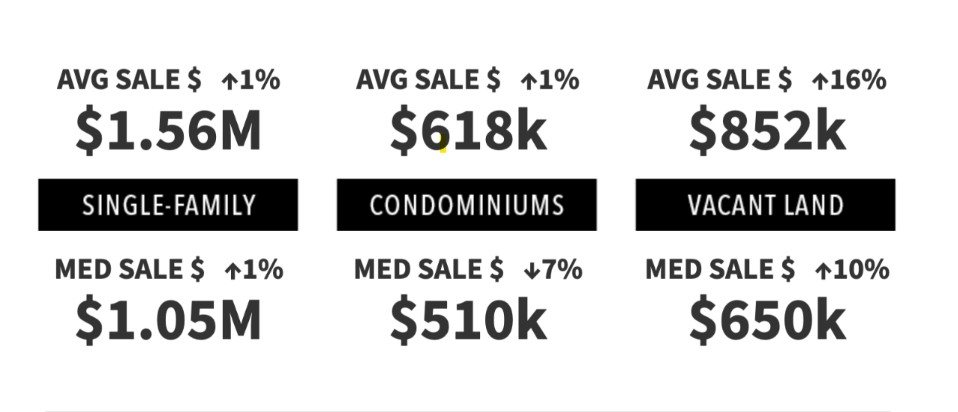
Single-family home sales across the Heber Valley were basically flat, with a 1% increase to 345 total closings, accompanied by a 1% increase in median price to $1.1 million.
Midway recorded 94 closings and a 9% median price decrease to $1.1 million. Red Ledges had 50 sales, with the median price up 20% to $3.3 million. South Fields logged 22 closings and a 9% dip in median price to $670,000.
Heber proper had 75 sales with a 5% dip in median price to $708,000, while Heber East posted 37 closings and a 9% drop in median price to $1.28 million. Heber North saw 11 sales and a 2% median price increase to $845,000. Timber Lakes rounded out the area with a 2% dip in median price to $778,000 on 32 closings.
Condominiums
The condominium market in Heber Valley posted 66 total closings, with a 7% decrease in median price to $510,000.
Midway registered 24 closings and a 5% drop in median price to $470,000. Red Ledges recorded 6 sales and a 7% decrease in median price to $1.5 million. In Heber proper, 21 sales closed with a median price down 19% to $389,000, while Heber North saw 10 closings with an 8% drop in median price to $514,000.
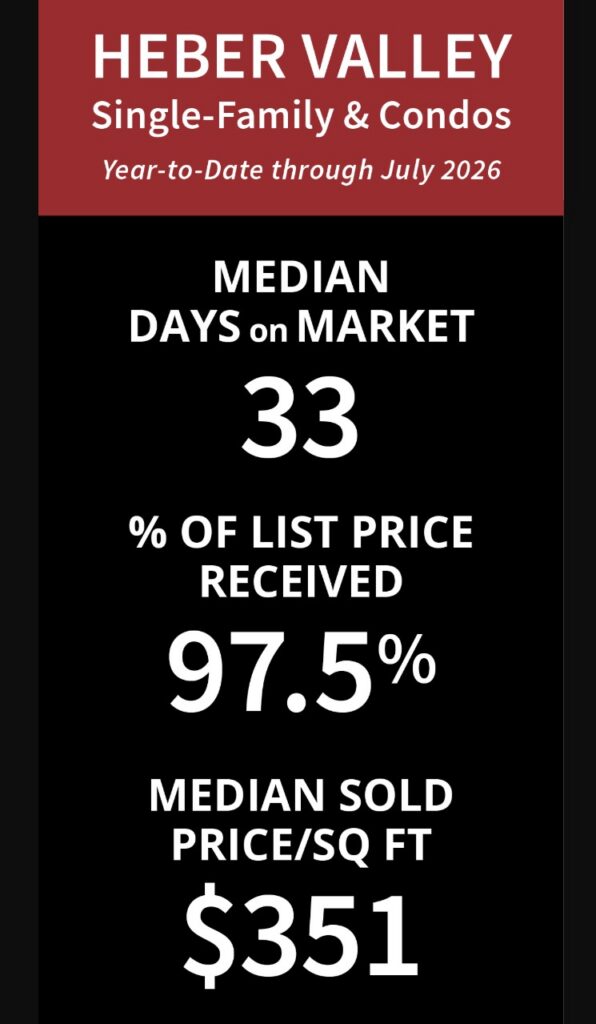
Heber Valley – Average & Median Sale Prices
2nd Quarter 2026 Year-Over-Year Rolling Averages
What Does the Q2 2026 Market Mean for Buyers?
For buyers, the biggest change is greater choice. Inventory has improved across several segments, particularly condominiums, giving purchasers more time to compare properties, neighborhoods, and lifestyle options than during the highly competitive market of recent years.
That does not mean every property has become easier to buy. Well-located, updated, and move-in-ready homes continue to attract strong interest, while new construction remains particularly appealing to buyers looking for modern floor plans, energy efficiency, outdoor living spaces, and low-maintenance ownership.
The current market rewards patience and selectivity, but it also reinforces the importance of evaluating each property individually. Conditions can vary considerably between Deer Valley, Old Town, Canyons Village, private golf communities, and the broader Wasatch Back.
What Does the Q2 2026 Market Mean for Sellers?
More inventory means sellers are competing for buyer attention more than they were during the inventory-constrained market of recent years. Pricing, condition, presentation, and marketing have therefore become increasingly important.
Homes that are priced appropriately from the start and show well continue to perform strongly, while properties requiring significant updating or carrying aggressive pricing may take longer to sell. The differences among neighborhoods also reinforce the importance of looking beyond broad Park City statistics when determining value.
For homeowners considering a sale, recent comparable sales within the immediate neighborhood and property type are often more meaningful than changes in Park City’s overall median price.
Looking Ahead
As we move into the second half of 2026, the Park City real estate market appears to be settling into a more balanced environment. Luxury single-family homes remain in demand among buyers who are prepared to pay a premium for exceptional quality, location, and design. The condominium market appears to be finding firmer footing, although year-over-year comparisons will remain distorted until the unusually high level of new development activity recorded in 2025 moves out of the reporting window. Land is currently generating the strongest near-term momentum.
Several factors could continue to shape the market, including:
• Continued expansion at Deer Valley® East Village
• New luxury communities and custom home opportunities
• Changes in private club membership availability and pricing
• New construction throughout the Jordanelle area and Wasatch Back
• Continued demand from primary and second-home buyers
Park City’s long-term appeal remains closely tied to factors that extend beyond short-term market cycles: limited land, world-class recreation, year-round lifestyle, and convenient access to Salt Lake City International Airport.
Park City Investor Insight
One of the clearest takeaways from Q2 is how difficult it has become to describe the Park City market with a single headline. Single-family homes, condominiums, and vacant land are moving at different rates, and performance varies even further by neighborhood and price point.
A 3% change in Park City’s overall median price may tell you very little about what is happening with a ski home in Deer Valley, a condominium in Canyons Village, a homesite in Promontory, or a primary residence in Jeremy Ranch. In smaller luxury neighborhoods, just a handful of high- or low-priced transactions can significantly influence year-over-year statistics.
That is why we encourage buyers and sellers to look beyond broad market averages. Understanding recent sales, current inventory, absorption, property condition, and buyer demand within the specific community often provides a much clearer picture of the market than regional statistics alone.
Thinking About Buying or Selling?
Whether you’re considering purchasing your first Park City property, building a custom home, or preparing to sell, we’re always happy to share our perspective.
Since 2008, we’ve helped buyers and sellers throughout Park City, Deer Valley, Canyons Village, Promontory, Jordanelle, Heber Valley, Midway, and the surrounding Wasatch Back navigate every type of market.
If you’d like a complimentary market analysis or have questions about your neighborhood, we’d love to help.
Drew Via & Annett Blankenship
Park City Investor Team
KW Park City | Keller Williams Real Estate
435.640.6966
This report has been created in cooperation with KW Park City Keller Williams Real Estate, with stats provided by Rick Klein and the Park City Multiple Listing Service Quarter 2 2026 Statistics Report.
What's Your Home Worth? Find Out Now, For Free!
Contact a Park City Real Estate Agent:
FAQ
Most frequently asked questions about the Park City real estate market - Q2 2026
Is now a good time to buy Park City real estate?
Whether it is a good time to buy depends on the individual buyer—their goals, timeline, financing, preferred location, and the type of property they are considering. Market conditions are only one part of that decision.
Inventory has improved, giving buyers more choices and, in many cases, more time to evaluate their options than in recent years. At the same time, desirable homes and homesites continue to attract strong interest, particularly in sought-after Park City and Deer Valley communities.
For buyers who find the right property and plan to own for the longer term, trying to perfectly time the market may be less important than purchasing a home that fits their lifestyle, financial goals, and intended use.
Are Park City home prices still increasing?
It depends on the property type and neighborhood. Across the broader Park City MLS, the median sale price for single-family homes increased 6% during the 12 months ending June 2026, while individual neighborhoods experienced both gains and declines. Because Park City includes many small luxury markets, changes in the mix of properties sold can significantly affect median prices from one period to the next.
Why are land sales increasing?
Vacant land was one of the strongest segments of the market, with unit sales increasing 20%, sales volume rising 27%, and the median sale price increasing 25%. Demand for custom homes, new community development, and buyers securing homesites for future construction all appear to be contributing to the increase.
Which Park City neighborhoods performed best?
Performance varied considerably by property type. Among the notable single-family results, Old Town recorded a 61% increase in transactions, Deer Crest’s median sale price increased 12%, and Promontory recorded 107 closings with a 22% increase in median price. Glenwild also posted a substantial increase in median price, although results in smaller luxury communities can be heavily influenced by the mix of properties sold.